

From Locked In to Logged On
The programmatic shift is real, and it’s continually picking up steam.

Last week, I had the chance to be on stage with Bill Murray of Warner Bros. Discovery for a panel hosted by The Trade Desk in Washington. It was a great opportunity to connect with industry partners and see folks in the space I don’t get to chat with as much as I’d like.
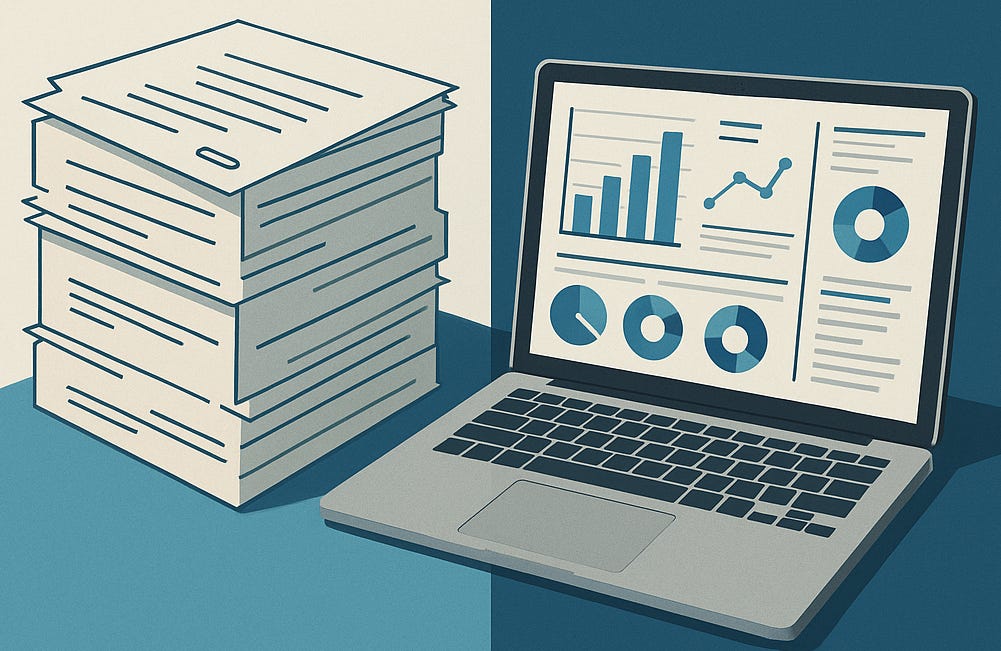
To sum up our conversation, political media buying is in the middle of a transformation that isn’t unique to our vertical. There’s the old world of locked-in IOs, and a new logged-on, biddable reality. And while the technological framework can feel abstract at times, what’s at stake is simple: control, flexibility, and accountability for campaigns that cannot afford to leave any of those on the table.
For those who were in the room, you’ll remember that we had a bit of an AV mishap and needed to wing it on the mic front. Not what you want in a room full of your peers, but that’s show business. Ironically, it was analogous to the connectivity we were talking about: sometimes you yell over it, sometimes you reroute, and sometimes you fix it in post.
Once we got rolling, a few core themes stood out:
Don’t outsource your brain.
Managed service has a place, but when it becomes a permanent crutch, agencies lose technical proficiency. If you don’t know how to run what your partners are running, you can’t effectively evaluate whether they’re delivering as promised. That gap didn’t matter in a banner-ad buy circa 2012, but in 2025 it’s malpractice.
Programmatic isn’t anti-IO, it’s pro-control.
I’m not out to erase direct IOs, as I sometimes get (fairly) tagged for. But programmatic gives you control across timing, geography, frequency, and data. It doesn’t replace publisher relationships; it reframes them through pipes that buyers can actually control.
CPMs aren’t the problem, outcomes are.
Yes, premium CTV CPMs can look steep. But when you’re buying into the same screen as linear, with the added precision that makes spend more accountable, it’s worth it. Paying for waste is cheaper on paper — but it’s still paying for waste.
2025 is the testing ground.
This fall is the sandbox. It’s the time to pressure-test platforms, attribution, and publishers before 2026 raises the stakes. Don’t wait until next fall to discover how long a vendor takes to turn around creative approval or greenlight a direct buy.
While our panel was quick, the conversations carried into the reception afterward. That was the most encouraging part — the industry is moving in the right direction. Buyers, platforms, and publishers are converging on the same priorities: access and flexibility. That momentum matters heading into a cycle where every dollar will be stretched under pressure.
Big thanks to TTD for pulling the room together, to Dave Clark for moderating, and to Bill and WBD for their commitment to making premium inventory accessible and biddable in the political space.
The value in sessions like this is sharpening habits together: test early, learn quickly, insist on control.